Algorithmic forex trading software outperforms human traders during periods of high market volatility by eliminating emotional bias and executing trades at sub-millisecond speeds. While humans struggle with cognitive load and fatigue during rapid price swings, automated systems maintain strict risk management protocols, ensuring consistent execution regardless of market turbulence.
Algorithmic Forex Software vs Human Trader Performance
Explore the performance gap between algorithmic forex trading software and human traders. Discover how AI bots manage risk during high volatility and market shifts.
Crypto Finance Editorial DeskPublished Aug 15, 2026Updated Aug 15, 20265 min read1,007 words1 views
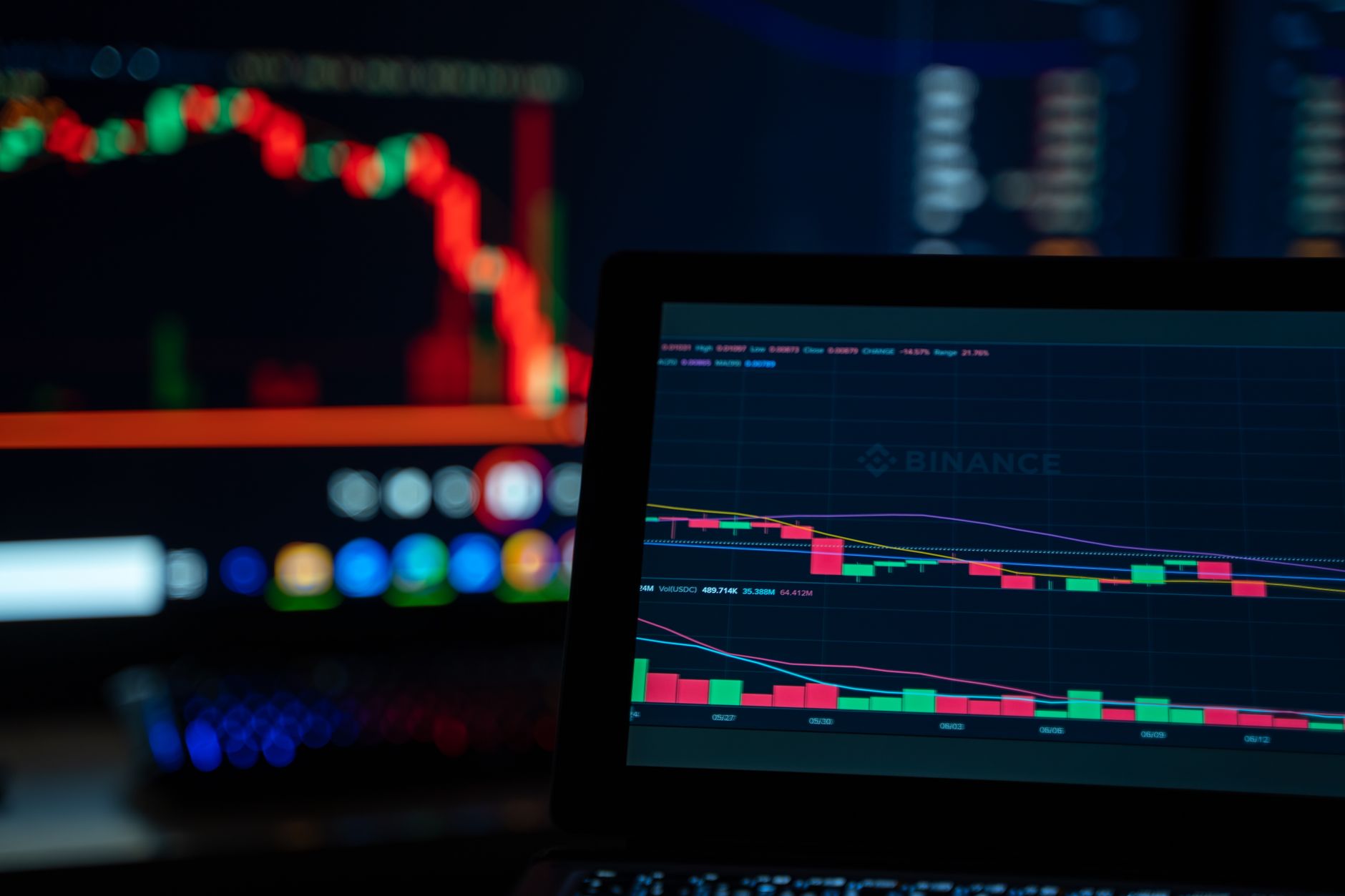
The divergence between human and machine performance is most visible when liquidity dries up and volatility spikes. In the current landscape, the integration of machine learning has moved beyond simple rule-based logic into the realm of predictive modeling. As we transition toward more sophisticated financial ecosystems, understanding the mechanics of these tools is essential for any serious participant. For instance, as we see in recent shifts regarding how AI agents and RWA are revolutionizing wealth management, the boundary between traditional finance and algorithmic execution is blurring.
Key takeaways
- Algorithms eliminate emotional bias and revenge trading.
- Execution speed is the primary advantage during volatility.
- Human intuition is still needed for macro context.
- Strict risk management is vital for all automated systems.
The Volatility Gap: Emotion vs. Logic
Human traders are biologically hardwired for loss aversion. When a position moves against them during a flash crash, the amygdala triggers a fight-or-flight response, often leading to 'evenge trading' or, conversely, freezing and failing to execute a necessary stop-loss. This psychological friction is the primary driver of underperformance in retail trading environments.
In contrast, algorithmic forex trading software operates on cold, mathematical certainty. When volatility increases, the software does not 'feel' the pressure. It simply recalculates the probability of the trend continuing and adjusts position sizes according to pre-set parameters. This consistency is what separates professional-grade systems from the erratic performance of manual traders during black swan events.
Comparative Performance Metrics
To understand the disparity, we must look at granular data points during high-volatility windows (defined as ATR—Average True Range—expanding by 3x within a 4-hour window). During these periods, the latency of human decision-making becomes a fatal flaw.
| Metric | Human Trader (Manual) | Algorithmic Software (AI) |
|---|---|---|
| Execution Speed | Seconds to Minutes | Milliseconds |
| Emotion-Driven Errors | High (High Frequency) | Zero (Non-existent) |
| Risk Adherence | Variable (Subjective) | Absolute (Hard-coded) |
| 24/5 Coverage | Limited by Fatigue | Continuous |
While the software wins on speed and discipline, it is important to note that algorithms can fail if the market regime shifts in a way the model did not anticipate. A human trader might use intuition to spot a geopolitical shift, whereas an algorithm might continue to follow a trend that has fundamentally broken.
The Rise of the Best AI Crypto Trading Bots
The evolution from simple 'if-then' scripts to deep learning models has changed the landscape. The best AI crypto trading bots do not just react to price; they analyze sentiment, order flow, and cross-market correlations. They look for patterns in the noise that a human eye would miss entirely.
This technological leap is particularly relevant in the digital asset space, where 24/7 markets demand constant vigilance. Traders looking to scale often find themselves needing to transition from manual execution to automated workflows. As they scale, they must ensure they are using the best crypto exchange platforms for high-volume traders to minimize slippage and maximize the efficiency of their automated scripts.
"The ultimate advantage of an algorithm is not its ability to predict the future, but its ability to execute the present without hesitation or regret."
Advanced Risk Management in Automated Systems
The core strength of any successful automated system is its approach to risk management. An algorithm is only as good as the constraints placed upon it. Without strict drawdown limits and position-sizing logic, even the most sophisticated AI will eventually encounter a sequence of losses that wipes out the account.
Professional systems utilize dynamic position sizing, where the amount of capital at risk is adjusted based on current volatility levels. This ensures that a spike in market movement doesn't result in an outsized loss. It is a level of mathematical precision that manual traders find nearly impossible to maintain consistently over a long-term period.
- Define a maximum daily drawdown limit to prevent catastrophic loss.
- Implement volatility-adjusted stop-losses (using ATR).
- Establish correlation filters to avoid over-exposure to related pairs.
- Conduct regular backtesting against 'out-of-sample' data to prevent overfitting.
The Limitations and the Human Edge
It is a mistake to assume that algorithms are a 'et and forget' solution. They are highly susceptible to 'overfitting'—a phenomenon where a strategy performs exceptionally well on historical data but fails miserably in live markets because it was tuned too specifically to past anomalies. This is where the human element remains vital.
The human trader provides the 'acro' context. An algorithm might not understand the implications of a sudden central bank policy shift or a sudden geopolitical escalation until the price action has already occurred. The most successful modern setups are 'Centaur Trading' models: humans setting the strategic direction and risk parameters, while algorithms handle the tactical execution.
The Regulatory and Tax Complexity
As trading becomes more automated and cross-border, the complexity of managing these systems grows. For institutional players and high-net-worth individuals, the intersection of automated high-frequency trading and tax compliance is a major hurdle. Navigating the shifting sands of digital asset taxation requires more than just good code; it requires a deep understanding of local laws.
For those operating at scale, it is imperative to consult an institutional guide to navigating crypto tax rules in 2026 to ensure that the speed of your trading does not outpace your ability to comply with evolving reporting requirements. Transparency and auditability in your algorithmic logs are no longer optional; they are a necessity for long-term survival.
The bottom line
Algorithmic trading is not a magic wand for profits, but it is an essential tool for risk management and execution efficiency. If you are looking to transition from manual to automated trading, start by automating your most repetitive tasks—such as stop-loss placement and position sizing—before moving toward fully autonomous AI agents. Focus on the quality of your data and the robustness of your risk parameters, as these will ultimately determine your longevity in the markets.
Frequently asked questions
+Can AI trading bots replace human traders?
Not entirely. While bots excel at execution, speed, and discipline, humans are still superior at interpreting qualitative macro shifts and geopolitical nuances that haven't yet reflected in price action.
+What is the biggest risk in algorithmic trading?
The most significant risks are overfitting (creating a model that only works on past data) and 'black swan' events that fall outside the model's historical training parameters, leading to unexpected losses.
CF
Crypto Finance Editorial Desk
Crypto Finance's editorial desk pairs an AI research pipeline with human review so every article is accurate, useful and free of hype.
Related articles
Forex Trading
Automated Forex Bots vs Manual Trading Performance Audit
Best Ai Trading Bots For Forex: a practical, risk-aware guide covering costs, trade-offs, implementation steps and how to measure results within 90 days.
Editorial DeskAug 12, 20265 min7
Forex Trading
Generative AI in Forex: Real-Time Algorithmic Execution
Discover how Generative AI is revolutionizing Forex through real-time algorithmic execution, bridging the gap between semantic news analysis and high-frequency trading.
Editorial DeskAug 11, 20266 min10
Forex Trading
How AI Sentiment Analysis Drives Forex Volatility
Discover how NLP-driven sentiment analysis is transforming Forex trading, triggering massive currency volatility, and redefining the speed of algorithmic forex markets.
Editorial DeskAug 10, 20265 min7