AI algorithmic trading outperforms manual trading in DeFi through superior execution speed, emotionless discipline, and the ability to process massive datasets across multiple liquidity pools simultaneously. While manual trading relies on human intuition and reaction time, AI-driven strategies leverage pattern recognition and sub-second latency to capture arbitrage and liquidity-driven opportunities that are physically impossible for a human to execute.
AI Algorithmic vs Manual Trading: Performance Analysis
Explore the granular differences between AI algorithmic and manual trading in DeFi. Learn how speed, emotion, and data processing impact your crypto returns.
Crypto Finance Editorial DeskPublished Aug 17, 2026Updated Aug 17, 20265 min read1,048 words2 views
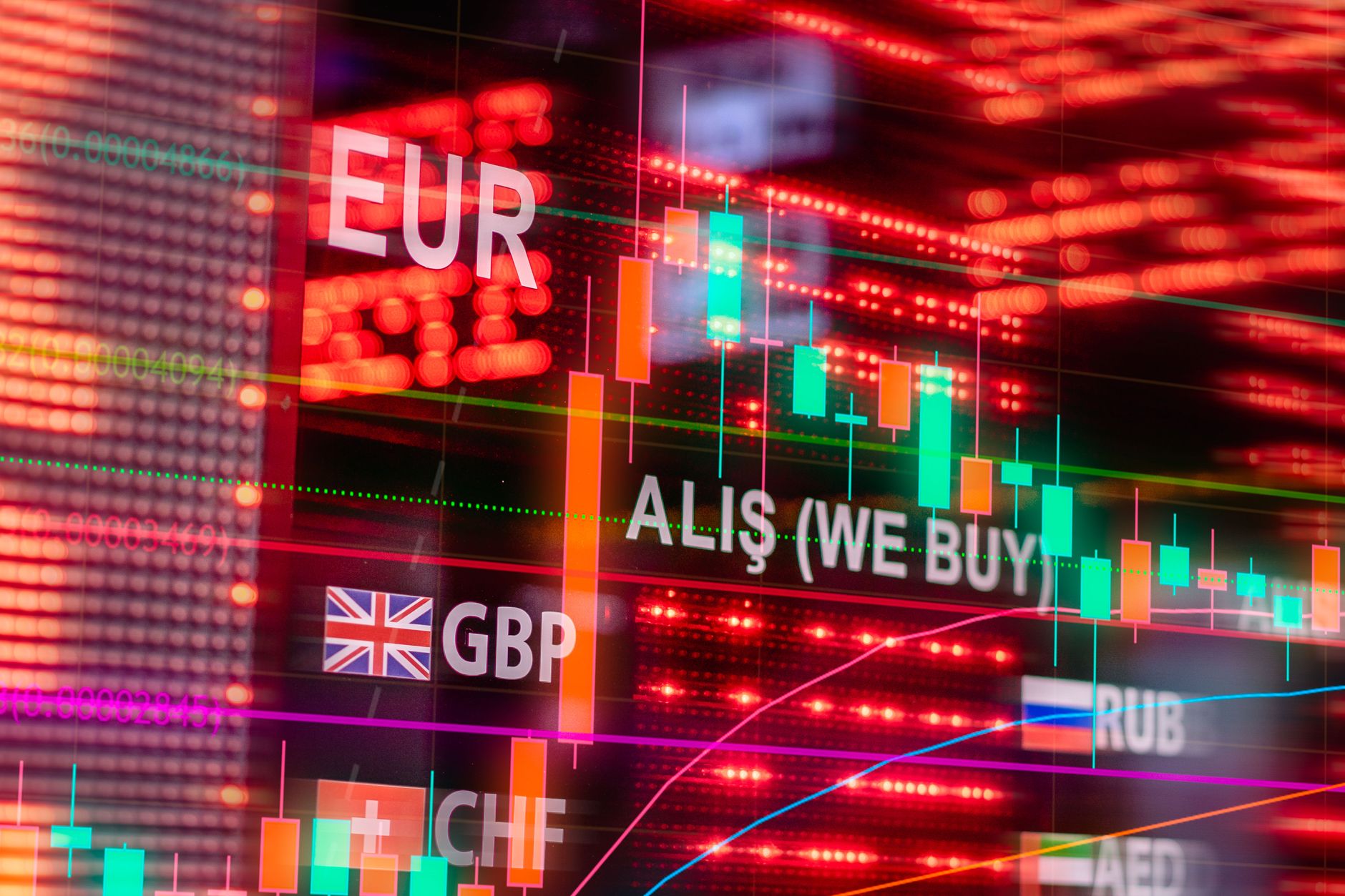
In the hyper-volatile landscape of Decentralized Finance (DeFi), the distinction between success and liquidation often comes down to milliseconds. As liquidity migrates across various Automated Market Makers (AMMs) and cross-chain bridges, the complexity of the ecosystem has surpassed the cognitive capacity of even the most seasoned manual traders. To thrive, one must understand the structural advantages and inherent risks of both approaches.
Key takeaways
- AI trading provides superior execution speed and emotionless discipline.
- Manual trading is better for qualitative analysis and protocol assessment.
- Hybrid models combining human strategy with AI execution are most effective.
- Algorithmic trading requires strict risk management to avoid black swan events.
The Cognitive Limitations of Manual Trading
Manual trading in DeFi requires a trader to monitor price fluctuations, liquidity depth, and gas fees across various protocols like Uniswap, Curve, and Aave. The cognitive load is immense; a human must account for slippage, impermanent loss, and sudden protocol exploits. Even with the Best Crypto Exchange Platforms for High-Volume Traders, the human element introduces emotional bias—specifically fear and greed—which frequently leads to premature exits or delayed stop-losses.
Furthermore, manual execution is fundamentally slow. In a flash loan-driven environment, where massive amounts of capital are moved in a single transaction block, a human trader simply cannot react fast enough to front-run or even react to a sudden liquidity drain. This latency is a silent killer of alpha in the DeFi space.
Algorithmic Precision and Speed
AI-driven strategies utilize machine learning models to identify micro-inefficiencies in decentralized liquidity pools. By analyzing historical volume, volatility, and on-chain transaction patterns, these algorithms can predict price movements with a statistical probability that human intuition cannot match. This is where the ai algorithmic trading vs manual trading debate finds its resolution: speed and data density.
Advanced bots can execute complex multi-hop swaps across different chains, ensuring the lowest possible slippage. These bots don't get tired, they don't panic during a market crash, and they don't ignore a signal because they are "feeling" a certain way about a specific token. They simply follow the mathematical logic defined by their parameters.
Comparative Performance Metrics
To understand the divergence, we must look at how these two methods handle different market conditions. Manual trading often excels in qualitative assessments—such as evaluating the governance proposal of a new protocol or sensing a shift in social sentiment—whereas AI excels in quantitative execution.
| Feature | Manual Trading | AI Algorithmic Trading |
|---|---|---|
| Execution Speed | Seconds to Minutes | Milliseconds (Block-time dependent) |
| Emotional Bias | High (Fear/Greed) | Zero (Rule-based) |
| Data Processing | Limited to visible charts | Real-time on-chain telemetry |
| Scalability | Low (One trade at a time) | High (Concurrent multi-pair) |
While AI provides the speed, it is important to note that it requires sophisticated infrastructure to avoid being "sandwiched" by other bots. As we see in How AI Agents and RWA are Revolutionizing Wealth Management, the integration of real-world assets into DeFi will only increase the demand for these high-speed computational strategies.
The Risks of Algorithmic Strategies
It is a fallacy to believe that AI trading is a "set and forget" money printer. Algorithmic strategies are susceptible to "black swan" events, such as smart contract failures or unprecedented liquidity cascades that the training data did not account for. If an algorithm is programmed to provide liquidity to a specific pool, and that pool is hacked, the bot will continue to execute trades into a sinking ship unless specific circuit breakers are in place.
Moreover, the arms race between bots creates a "predatory" environment. You are not just trading against the market; you are trading against other algorithms designed to exploit your patterns. This requires a constant cycle of optimization and backtesting to ensure your strategy remains viable as the market evolves.
"In DeFi, the most dangerous trader is the one who believes their algorithm has solved the market; the most successful is the one who knows their algorithm is merely a tool for navigating chaos."
Best Practices for Hybrid Approaches
The most sophisticated DeFi participants do not choose one over the other; they utilize a hybrid model. They use manual intelligence to select the protocols, assess the security of the smart contracts, and decide on the general direction of the portfolio, and then use AI to execute the tactical movements.
When implementing a hybrid strategy, consider the following checklist:
- Audit the Logic: Always backtest your algorithm against historical DeFi volatility, specifically looking at periods of high gas congestion.
- Implement Hard Stops: Ensure your bot has non-negotiable exit parameters that cannot be overridden by the algorithm's optimization logic.
- Monitor On-Chain Health: Use tools to monitor the TVL (Total Value Locked) and contract activity of the protocols your bot interacts with.
- Diversify Execution: Do not rely on a single liquidity source; ensure your bot can pivot between different AMMs if slippage exceeds thresholds.
The Future of AI in DeFi
We are moving toward an era of "Autonomous Finance," where AI agents will not just execute trades but will actively manage entire portfolios by rebalancing positions across various DeFi lending markets. This evolution will require a deep understanding of both code and economics. As regulatory landscapes shift, staying compliant will also become an algorithmic task. For instance, understanding the Institutional Guide to Navigating Crypto Tax Rules in 2026 will be essential for those running large-scale automated operations.
The gap between the retail trader and the institutional-grade bot is closing, but the complexity of DeFi ensures that the learning curve remains steep. Whether you are looking for the best ai trading bots for crypto or refining your own manual strategy, the key is a data-driven approach to risk management.
The bottom line
Manual trading is for strategy and sentiment; AI trading is for execution and efficiency. To succeed in DeFi, start by automating your most repetitive and time-sensitive tasks, but never relinquish control over your core risk parameters. Your next step should be to audit your current trading frequency and identify which specific tasks are being hampered by human latency.
Frequently asked questions
+Is AI trading better than manual trading in DeFi?
AI trading is superior for execution speed, high-frequency arbitrage, and emotionless discipline. However, manual trading remains essential for qualitative analysis, such as evaluating protocol security and long-term market sentiment, making a hybrid approach ideal.
+What are the risks of using AI trading bots?
The primary risks include smart contract failures, 'black swan' market events not present in training data, and being exploited by other predatory bots. Without strict circuit breakers, an algorithm may continue to trade during a protocol exploit.
CF
Crypto Finance Editorial Desk
Crypto Finance's editorial desk pairs an AI research pipeline with human review so every article is accurate, useful and free of hype.
Related articles

DeFi
Best Layer 2 Scaling Solutions for High-Volume Trading
Discover the best Layer 2 scaling solutions for high-volume DeFi trading. We compare Arbitrum, Optimism, and ZK-rollups to optimize your gas fees and execution speed.
Editorial DeskAug 16, 20265 min4

DeFi
Generative AI in Fintech: Bridging DeFi and Compliance
Explore how Generative AI in fintech applications is bridging the gap between DeFi and institutional compliance through automated reporting and RWA integration.
Editorial DeskAug 16, 20266 min2
DeFi
Connecting Institutional DeFi to Traditional Banking
Discover the technical architecture required to connect institutional DeFi liquidity layers with traditional banking, bridging the gap between legacy systems and on-chain finance.
Editorial DeskAug 15, 20265 min10