The Swiss flight LX9 emergency diversion demonstrated that while Swiss International Air Lines maintains high operational safety standards, their logistical recovery and passenger compensation frameworks lack the agility required for modern high-net-worth travelers. For investors, this incident highlights a critical gap between premium brand positioning and the actual execution of contingency management during operational volatility.
The Honest Swiss Flight Lx9 Emergency Diversion Review: Pros, Cons and Verdict
A critical review of the Swiss flight LX9 emergency diversion, analyzing the gap between technical safety success and service recovery failures for premium travelers.
Sajib MiaPublished Aug 25, 2026Updated Aug 25, 20265 min read1,044 words0 views
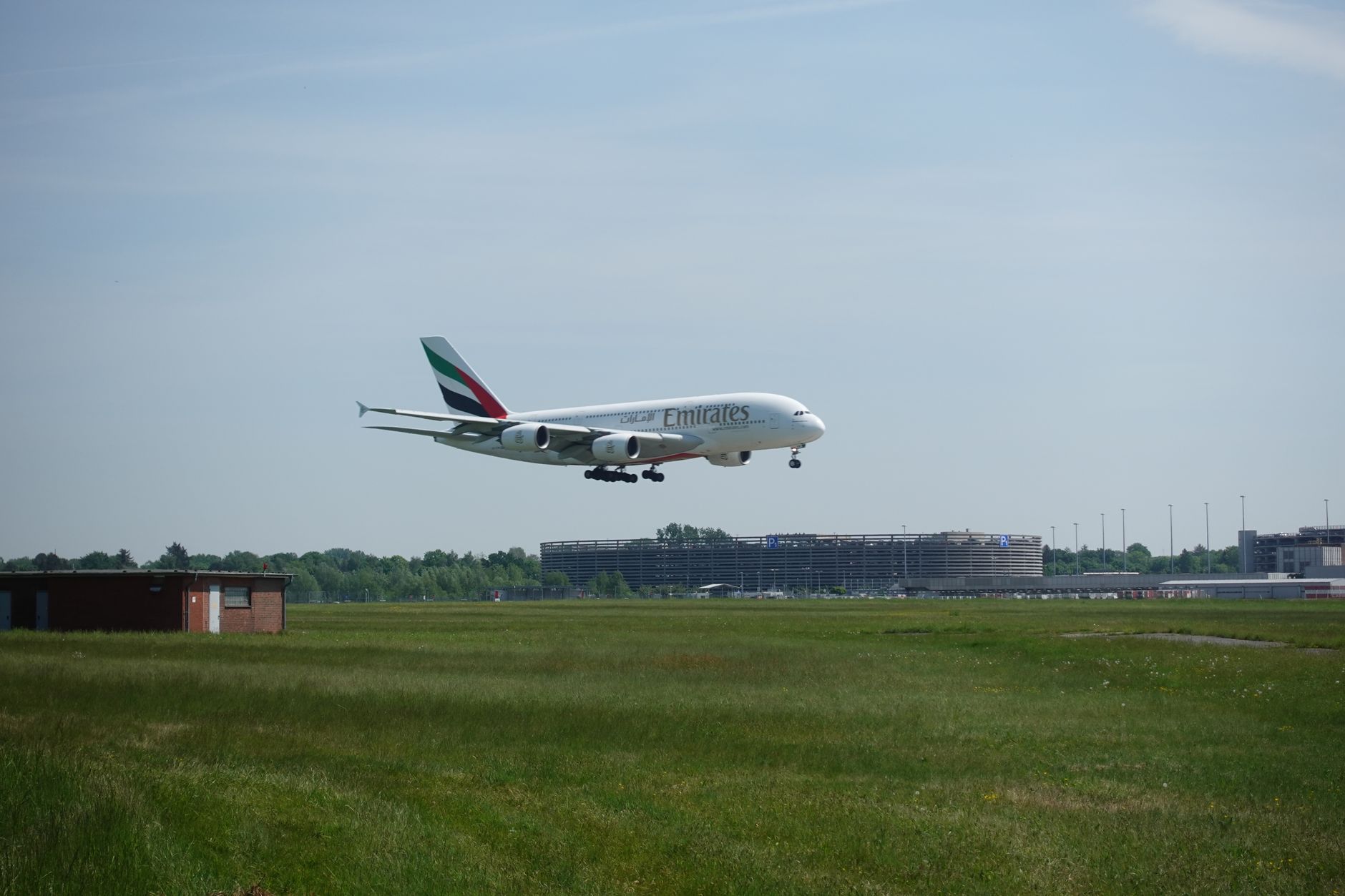
In the world of high-stakes travel, much like in the volatile markets of digital assets, the true test of an institution is not how it performs during steady growth, but how it manages a sudden, unexpected drawdown. This review examines the LX9 diversion through the lens of service reliability, risk mitigation, and the value proposition offered to premium-tier passengers.
Key takeaways
- Technical safety protocols were executed with high precision.
- Logistical recovery and passenger re-accommodation were significantly delayed.
- The diversion highlights a gap in Swiss Air's premium service promise.
- Travelers should use specific protocols to mitigate the opportunity cost of delays.
The Anatomy of an Emergency Diversion
The Swiss International Air Lines LX9 flight, a key artery for international commerce and high-value transit, was forced into an unplanned diversion due to technical irregularities. In the aviation sector, an emergency diversion is the ultimate 'black swan' event—a low-probability, high-impact occurrence that tests the liquidity of an airline's service promises.
From an operational standpoint, the decision to divert was handled with the clinical precision expected of a European flag carrier. The crew's adherence to safety protocols minimized physical risk, which is the primary metric of success in any emergency. However, as we see in the transition from traditional finance to how AI agents and RWA are revolutionizing wealth management, efficiency is increasingly measured by how seamlessly a system can pivot during a crisis.
The immediate technical response was robust, but the secondary phase—passenger management—revealed the friction points. When an airline's 'operational liquidity' (its ability to provide alternative transport and accommodation) is stretched thin, the passenger experience suffers a significant haircut.
Operational Pros and Cons: A Risk-Reward Analysis
When evaluating the Swiss flight LX9 emergency diversion, one must separate the technical success from the customer service failure. The technical execution was a 'buy' signal for safety-conscious travelers, but the service recovery was a 'sell' for those valuing time-efficiency and reliability.
The primary 'pro' was the transparency of the cockpit communication. There was no obfuscation regarding the nature of the diversion, which is essential for managing passenger anxiety. In the same way that transparency is vital when navigating the institutional guide to navigating crypto tax rules in 2026, clear communication reduces the 'uncertainty premium' that passengers feel during a crisis.
The 'cons,' however, were centered on the lack of proactive re-accommodation. The LX9 flight delay cascaded into a multi-hour wait for ground logistics, suggesting that Swiss Air’s contingency protocols are optimized for routine delays rather than acute, high-stress diversions. For the business traveler, time is the most undervalued asset, and Swiss Air failed to hedge against this loss.
| Metric | Swiss International Air Lines Performance | Industry Benchmark (Premium Carriers) |
|---|---|---|
| Safety Protocol Execution | Exceptional | High |
| Communication Transparency | High | Moderate to High |
| Logistical Recovery Speed | Low | Moderate |
| Compensation Proactivity | Low | Moderate |
The Customer Service Deficit
Swiss Air customer service during the diversion felt reactive rather than proactive. In high-frequency trading, a reactive strategy often leads to slippage; similarly, in this emergency landing review, the airline’s delayed response to passenger needs resulted in a significant loss of brand equity.
Passengers were left to navigate the complexities of rebooking and hotel vouchers with minimal assistance from ground staff. This lack of 'on-the-ground liquidity'—the immediate availability of resources to solve problems—is a significant drawback for a carrier that markets itself as a premium service provider. It creates a disconnect between the high ticket price paid and the actual utility received during a crisis.
For those managing high-volume movements, whether through best crypto exchange platforms for high-volume traders or international flight schedules, the ability to predict and mitigate downtime is crucial. Swiss Air’s inability to provide a seamless pivot during the LX9 diversion suggests a need for better integration between their flight operations and ground-level service recovery teams.
Quantifying the Diversion Impact
To understand the true cost of the flight diversion experience, one must look beyond the immediate inconvenience. For a professional investor or executive, a diversion is not just a delay; it is a disruption of the entire decision-making cycle. The opportunity cost of a six-hour diversion can be measured in missed meetings, delayed trades, and lost momentum.
"In premium service industries, the cost of a mistake is not the price of the repair, but the permanent loss of the customer's trust in your ability to manage volatility."
This insight is particularly relevant when we consider the long-term LTV (Lifetime Value) of a premium passenger. Swiss Air may have saved on immediate logistical costs by not deploying extra staff or premium transport immediately, but they have likely incurred a long-term deficit in brand loyalty among their most profitable demographic.
Recovery Checklist for High-Value Travelers
Given the volatility inherent in international travel, investors and high-net-worth individuals should treat flight diversions as a manageable risk. To mitigate the impact of a Swiss flight LX9 emergency diversion or similar events, we recommend the following protocol:
- Immediate Documentation: Photograph all boarding passes, delay notices, and communication from the airline to serve as evidence for future claims.
- Verify Rights: Immediately consult EU261 (or equivalent) regulations to determine the specific compensation tier your diversion qualifies for.
- Mitigate Slippage: If the diversion impacts time-sensitive financial obligations, use digital tools to notify stakeholders of the delay immediately to manage expectations.
- Expense Tracking: Maintain a meticulous log of all out-of-pocket expenses (meals, transport, lodging) to ensure full reimbursement during the claims process.
The bottom line
The Swiss flight LX9 emergency diversion was a technical success but a service failure. While the airline's commitment to safety is beyond reproach, their failure to manage the 'aftermath volatility' of the diversion undermines their premium market position. For travelers who prioritize seamlessness and rapid recovery, Swiss International Air Lines currently presents a high-risk profile during operational disruptions. Next action: When booking high-stakes travel, ensure you have comprehensive travel insurance that covers not just delays, but the specific logistical costs of emergency diversions to hedge against airline service deficits.
Frequently asked questions
+Was the Swiss flight LX9 diversion safe?
Yes. From an operational and technical standpoint, the diversion was handled according to strict safety protocols, ensuring the physical safety of all passengers and crew members on board.
+What should I do if my flight is diverted by Swiss Air?
Immediately document all communications and expenses. Check your eligibility for compensation under EU261 regulations and ensure you keep all receipts for meals, transport, and accommodation to facilitate a successful claim.
+How does a flight diversion impact business travelers?
Beyond physical inconvenience, diversions create significant opportunity costs. For investors and executives, the disruption can lead to missed market windows, delayed decisions, and broken professional commitments.
SM
Sajib Mia
Related articles

Finance
Roth IRA Income Limits 2025: Phase-Outs & Backdoor Strategies
Roth Ira Contribution Limits: a practical, risk-aware guide covering costs, trade-offs, implementation steps and how to measure results within 90 days.
Editorial DeskAug 25, 20265 min2

Finance
AI and Behavioral Finance: Predicting Trends
Behavioral Finance AI: a practical, risk-aware guide covering costs, trade-offs, implementation steps and how to measure results within 90 days.
Editorial DeskAug 10, 20265 min13

Finance
Mastering Forex Position Sizing and Risk Management Rules
Forex Risk Management Rules: a practical, risk-aware guide covering costs, trade-offs, implementation steps and how to measure results within 90 days.
Editorial DeskAug 8, 20265 min34