The best ai financial advisor app in 2026 is no longer a simple robo-advisor; it is a predictive engine that integrates real-time macro data, RWA (Real World Asset) tokenization, and personalized behavioral psychology. To choose the right one, prioritize platforms offering multi-agent orchestration and deep integration with your entire digital asset ecosystem.
Choosing the Best AI Financial Advisor App for 2026
The best ai financial advisor app in 2026 is no longer a simple robo-advisor; it is a predictive engine that integrates real-time macro data, RWA (Real World Asset) tokenization, a
Crypto Finance Editorial DeskPublished Aug 11, 2026Updated Aug 11, 20263 min read566 words18 views
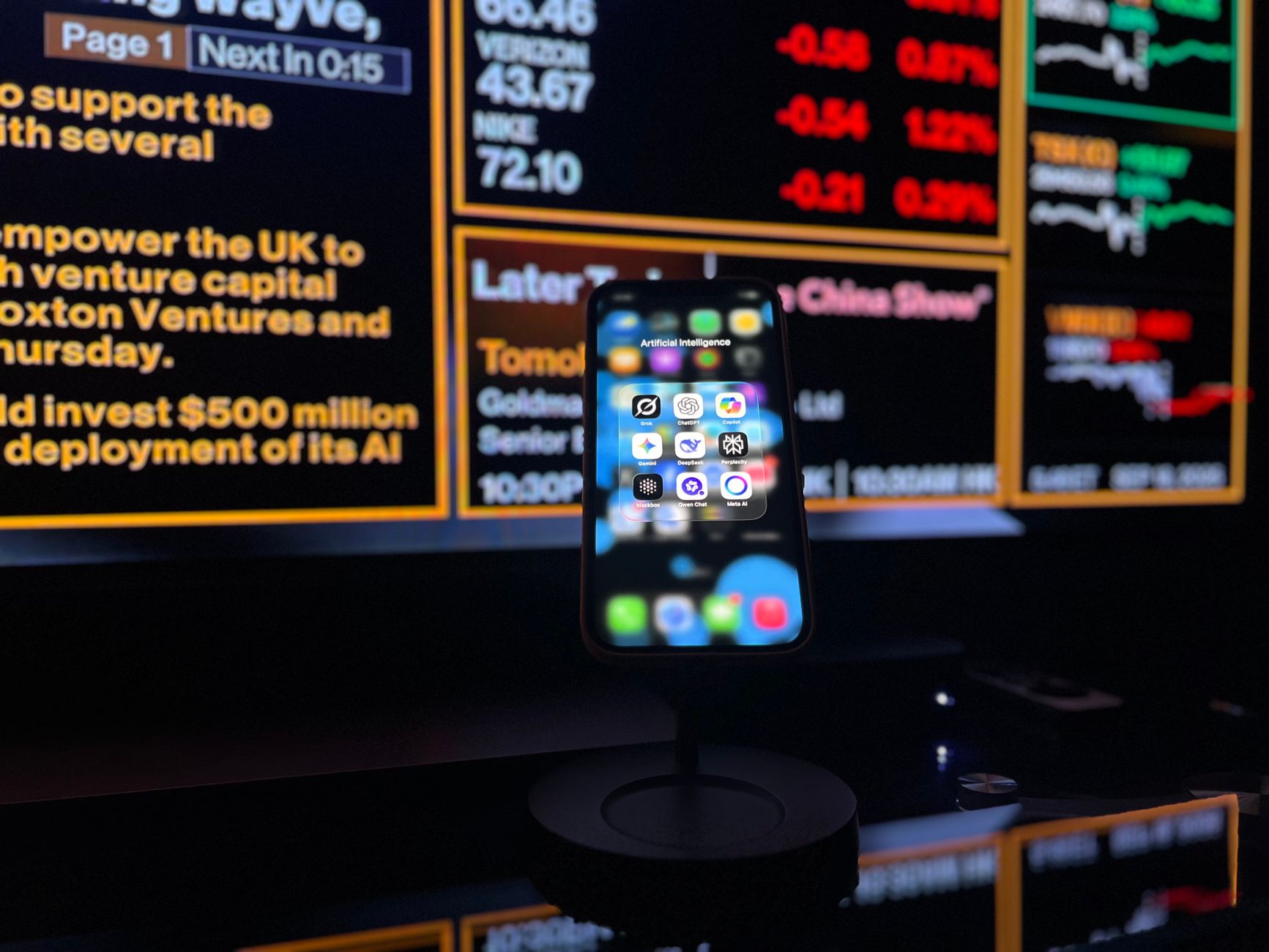
As we navigate the mid-decade financial landscape, the distinction between "automated" and "intelligent" has become the primary driver of alpha. Traditional robo-advisors, which rely on static Modern Portfolio Theory (MPT), have been rendered obsolete by the rise of generative agents. Today, wealth management is shifting from reactive rebalancing to proactive, predictive simulation.
The Evolution from Robo to Predictive AI
In the early 2020s, "robo-advisors" were little more than glorified algorithms that rebalanced portfolios based on preset risk tolerances. They were reactive, waiting for a market shift to occur before adjusting your holdings. In 2026, the gold standard is ai driven wealth management that utilizes predictive analytics to anticipate volatility before it hits the order books.
Modern AI tools now leverage Large Action Models (LAMs) to execute complex multi-step financial maneuvers. Instead of simply telling you that your portfolio is overweight in tech, a high-tier AI advisor will simulate how a sudden shift in Fed policy or a liquidity crunch in decentralized finance (DeFi) protocols will impact your specific net worth, offering preemptive hedging strategies.
This shift is deeply intertwined with how ai agents and RWA are revolutionizing wealth management. By integrating tokenized real estate, private credit, and sovereign debt into a single liquid interface, these apps provide a level of diversification that was previously reserved for family offices. The "best" app is the one that can synthesize these disparate asset classes into a cohesive, predictive strategy.
Key Metrics for Evaluating AI Advisors
When auditing an app, do not be swayed by flashy UI or "AI-powered" marketing buzzwords. You must look under the hood at the underlying data architecture. A superior app must demonstrate high-fidelity data ingestion, meaning it pulls from on-chain data, traditional Bloomberg-style terminals, and even alternative datasets like satellite imagery or shipping manifests to inform its models.
The second metric is latency of intelligence. How quickly does the AI update its risk model following a black swan event? In 2026, a delay of even a few hours in adjusting a leveraged position can be catastrophic. You are looking for "continuous learning" models that update their weights in real-time, rather than batch-processing data overnight.
Finally, evaluate the "explainability" of the AI. If an app suggests a massive pivot into a specific RWA fund, it must provide a transparent audit trail of its reasoning. Black-box models are a significant risk factor in high-stakes wealth management. You need to see the correlation matrices and the macro drivers that led to the recommendation.
| Feature Set | Legacy Robo-Advisor | 2026 Predictive AI Advisor |
|---|---|---|
| Core Logic | Static MPT (Modern Portfolio Theory) | Dynamic Predictive Analytics |
| Asset Scope | ETFs & Stocks Only | ETFs, Crypto, RWA, Private Credit |
| Reaction Speed | Reactive (Post-event) | Proactive (Pre-event simulation) |
| User Interface | Dashboard & Charts | Conversational Agent & Simulations |
The Rise of Hyper-Personalization
The era of the "moderate risk" profile is dead. In 2026, hyper-personalization means the AI understands your specific cash flow needs, tax liabilities, and even your psychological reaction to market volatility. If the AI detects that you tend to panic-sell during 5% drawdowns, it may suggest a more defensive posture or implement automated
CF
Crypto Finance Editorial Desk
Crypto Finance's editorial desk pairs an AI research pipeline with human review so every article is accurate, useful and free of hype.
Related articles
AI Tools
Best AI Stock Trading Platforms: Real-World Case Studies
Best Ai Stock Trading Platform: a practical, risk-aware guide covering costs, trade-offs, implementation steps and how to measure results within 90 days.
Editorial DeskAug 31, 20265 min15

AI Tools
Choosing the Best AI Financial Planner App for Your Needs
Discover how to choose the best AI financial planner app for your needs. This guide walks you through the user journey, from initial interest to long-term optimization, offering personalized recommendations for budgeting, investment, and cost management.
Editorial DeskAug 31, 20267 min11
AI Tools
How to Build an AI Agent: Choose the Right Framework
How To Build An Ai Agent: a practical, risk-aware guide covering costs, trade-offs, implementation steps and how to measure results within 90 days.
Editorial DeskAug 30, 20265 min14