Predictive modeling for ESG-compliant assets utilizes machine learning to forecast the long-term viability of Environmental, Social, and Governance metrics within tokenized portfolios. By integrating real-time data streams with historical performance, these models mitigate "greenwashing" risks and ensure that the tokenization of real world assets (RWA) aligns with evolving regulatory frameworks and sustainable yield requirements.
Predictive Modeling for ESG-Compliant Assets
Discover how predictive financial modeling software and AI are bridging the gap between RWA tokenization and evolving ESG standards to mitigate risk.
Crypto Finance Editorial DeskPublished Aug 9, 2026Updated Aug 9, 20266 min read1,247 words20 views
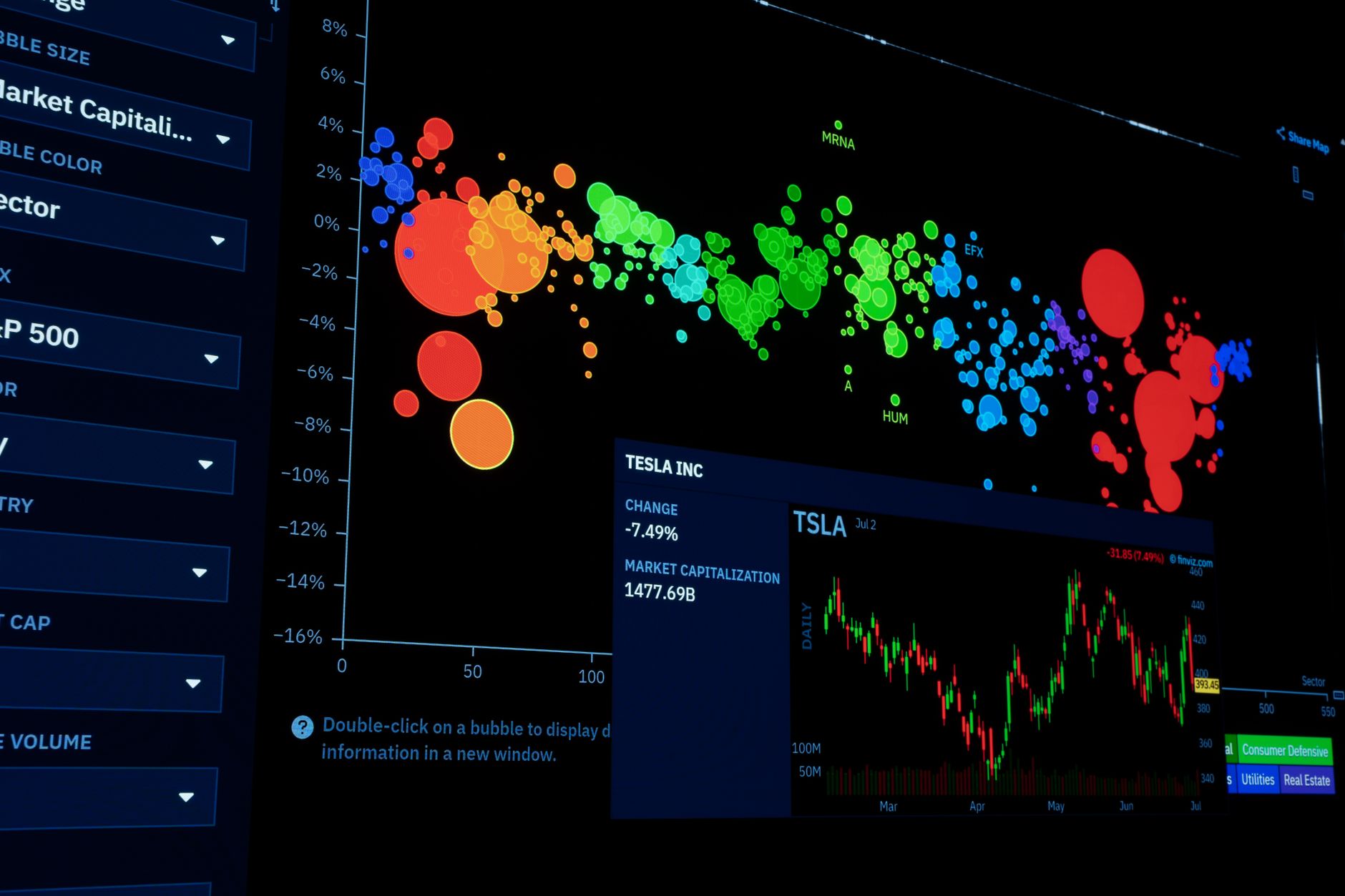
As the financial landscape shifts toward transparency, the intersection of decentralized finance (DeFi) and institutional-grade sustainability is creating a new asset class. However, the complexity of mapping physical asset data—such as carbon footprints or labor practices—to on-chain tokens requires more than just static reporting. It demands sophisticated predictive financial modeling software capable of processing non-linear environmental variables alongside traditional cash-flow projections.
Key takeaways
- Predictive models use real-time data to verify ESG claims in tokenized assets.
- AI mitigates greenwashing by cross-referencing IoT and satellite data with on-chain records.
- ESG-compliant RWA tokens often command a liquidity premium from institutional investors.
- Continuous monitoring is replacing annual audits in the digital asset lifecycle.
The Convergence of RWA and ESG
The tokenization of real world assets represents one of the most significant shifts in modern finance, moving physical value—real estate, commodities, and infrastructure—into the digital realm. While tokenization provides liquidity and fractional ownership, it introduces a profound transparency challenge: how do we verify that a tokenized solar farm actually produces the carbon offsets it claims?
This is where ESG integration becomes critical. Institutional investors are no longer satisfied with retroactive ESG reports; they demand proactive, real-time verification. When an asset is tokenized, its ESG profile becomes part of its digital identity. If the underlying asset fails to meet its sustainability targets, the token's value and liquidity may evaporate as institutional mandates force divestment.
The synergy between these two trends is profound. RWA provides the substance, while ESG provides the compliance layer. For fund managers, the goal is to create a "green premium" for tokens that can prove their impact through immutable, data-driven evidence. This is not merely a moral imperative but a risk management necessity to avoid the regulatory scrutiny currently facing traditional ESG funds.
The Role of Predictive Financial Modeling Software
Traditional financial models are built on historical price action and quarterly earnings. They are fundamentally ill-equipped to handle the volatility of ESG metrics, which are often qualitative and subject to sudden regulatory shifts. To bridge this gap, firms are turning to advanced predictive financial modeling software that incorporates alternative data sets.
These software suites use AI to ingest satellite imagery (to monitor deforestation or water usage), IoT sensor data (to track energy efficiency in buildings), and social sentiment analysis (to gauge labor relations). By feeding this data into neural networks, models can predict how a change in carbon tax policy might impact the net present value (NPV) of a tokenized forestry project years before it hits the balance sheet.
Furthermore, these models allow for "stress testing" ESG scenarios. A fund manager can simulate a scenario where a specific jurisdiction implements stricter environmental disclosures, observing how it affects the ESG investing fund performance across a diversified RWA portfolio. This level of foresight is what separates sophisticated digital asset managers from retail speculators.
Mitigating Greenwashing through AI-Driven Verification
Greenwashing remains the single largest reputational and legal risk in the ESG space. In the context of RWA, the risk is magnified by the complexity of the supply chain. A tokenized real estate fund might claim to be "net-zero," but if the construction materials used in its properties were sourced through high-carbon processes, the claim is fraudulent.
AI-driven predictive models act as a continuous audit mechanism. Instead of relying on annual self-reported audits, these models cross-reference tokenized asset data against independent, third-party data streams. If a discrepancy is detected—for example, if an energy-efficient building's power consumption spikes unexpectedly—the model can trigger an automated risk alert or even adjust the token's risk rating in real-time.
"The future of ESG is not in the report published once a year, but in the continuous, algorithmic verification of the asset's heartbeat. If you cannot model the impact, you cannot manage the risk."
This shift from periodic auditing to continuous monitoring is essential for how AI agents and RWA are revolutionizing wealth management. By automating the verification process, we remove human bias and create a more resilient framework for institutional capital entry.
Comparative Analysis: Traditional vs. Predictive ESG Modeling
To understand the value proposition, one must compare the legacy approach to the emerging AI-integrated framework. The following table highlights the fundamental differences in how risk and performance are assessed.
| Feature | Traditional ESG Assessment | Predictive RWA Modeling |
|---|---|---|
| Data Frequency | Annual or Quarterly | Real-time / Continuous |
| Data Source | Self-reported disclosures | IoT, Satellite, & On-chain data |
| Risk Approach | Reactive (Post-event) | Proactive (Pre-emptive) |
| Accuracy | Subject to human error/bias | Algorithmic & Objective |
| Asset Integration | Disconnected from price | Directly linked to token value |
Implementing an ESG-RWA Framework
For institutions looking to deploy capital into tokenized sustainable assets, the implementation must be methodical. It is not enough to simply buy "green tokens"; one must build a stack that supports the lifecycle of the asset from minting to redemption.
The following checklist outlines the essential steps for integrating predictive modeling into an ESG-focused RWA strategy:
- Data Provenance Verification: Establish a hierarchy of data sources, prioritizing IoT and satellite data over manual reports to ensure the "ground truth" of the asset.
- Model Calibration: Train predictive financial modeling software on historical ESG-related market volatility to ensure the model understands the correlation between ESG scores and asset liquidity.
- Smart Contract Integration: Link ESG performance triggers to smart contracts. For example, a token's yield could automatically increase if the underlying asset meets certain carbon-reduction milestones.
- Regulatory Alignment: Ensure that the modeling parameters comply with regional standards, such as the EU Taxonomy or SFDR, to facilitate easier reporting for navigating crypto tax rules in 2026.
- Continuous Stress Testing: Regularly run Monte Carlo simulations that incorporate climate-related physical risks (e.g., flood risk for real estate tokens) and transition risks (e.g., carbon pricing shifts).
Performance and Yield Expectations
A common misconception is that ESG compliance inherently lowers returns. While there is a cost to implementing high-standard sustainability measures, the long-term ESG investing fund performance often benefits from lower volatility and reduced regulatory risk. Predictive models help quantify this "stability premium."
In the RWA space, ESG-compliant tokens often command higher liquidity. Institutional mandates are increasingly restrictive, meaning that assets with poor ESG scores are being systematically excluded from large-scale portfolios. By using predictive modeling to identify high-performing, compliant assets early, managers can capture alpha before the broader market corrects for ESG risk.
However, investors must remain wary of model risk. An AI model is only as good as its inputs. If the data feeds from the physical asset are compromised or manipulated, the predictive output will be flawed. This necessitates a "defense-in-depth" approach to data collection, where multiple, independent data streams are used to validate a single metric.
The bottom line
The intersection of RWA, AI, and ESG is not a theoretical concept; it is the next frontier of institutional finance. To succeed, firms must move beyond static reporting and embrace predictive financial modeling software that can bridge the gap between physical reality and digital representation. The ability to forecast ESG-related risks and opportunities will be the primary differentiator in the next cycle of digital asset adoption.
Next Action: Audit your current digital asset exposure. Identify which assets lack real-time ESG verification and begin evaluating predictive modeling tools that can integrate non-traditional data streams into your risk management framework.
Frequently asked questions
+How does predictive modeling help with ESG greenwashing?
Predictive modeling uses AI to ingest real-time, independent data like satellite imagery and IoT sensors. By comparing this 'ground truth' against an asset's reported ESG claims, the software can identify discrepancies and alert managers to potential greenwashing before it becomes a regulatory issue.
+What is the link between RWA and ESG?
Real World Asset (RWA) tokenization brings physical assets on-chain. ESG provides the framework to ensure these assets meet sustainability standards. Predictive modeling links the two by quantifying how environmental and social factors will impact the long-term value and liquidity of the tokenized asset.
CF
Crypto Finance Editorial Desk
Crypto Finance's editorial desk pairs an AI research pipeline with human review so every article is accurate, useful and free of hype.
Related articles

Risk Management
Forex Position Sizing: Kelly Criterion for Multi-Asset Portfolios
Apply Kelly Criterion across forex, stablecoins, and tokenized treasuries using live correlation matrices, peg‑risk cVaR, token carry adjustments, and MiCA/MAS regulatory haircuts for optimal, risk‑adjusted position sizing.
Editorial DeskAug 25, 20264 min7

Risk Management
Mastering Prop Firm Challenges: Risk Management Rules
Prop Firm Challenge Tips: a practical, risk-aware guide covering costs, trade-offs, implementation steps and how to measure results within 90 days.
Editorial DeskAug 16, 20265 min10
Risk Management
Post-Mortems of Algorithmic Trading Failures
Algorithmic Trading Failures: a practical, risk-aware guide covering costs, trade-offs, implementation steps and how to measure results within 90 days.
Editorial DeskAug 10, 20265 min19